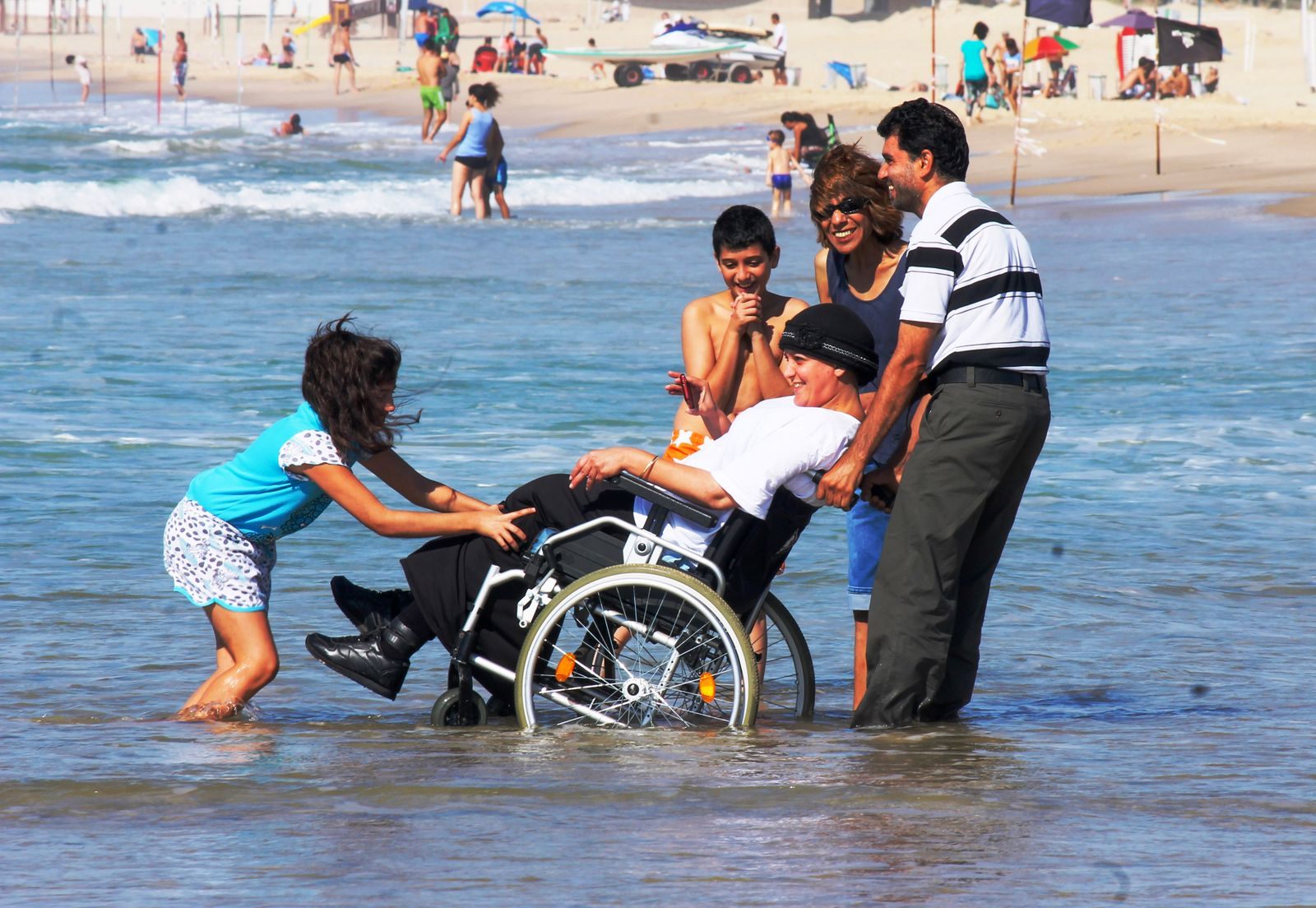
Accessible Ocean Cruises
Practical, respectful guidance for cruising with limited mobility, hearing or vision needs.
Get Free Accessible Cruise QuotesCruising Is One of the Most Accessible Ways to See the World
You unpack once. Your room, your meals and your entertainment are all within a short, level distance, connected by elevators. The ship carries you from place to place while you rest. For travelers who use a wheelchair or scooter, walk with a cane, are Deaf or hard of hearing, or are blind or have low vision, an ocean cruise removes many of the obstacles that make other trips tiring.
That said, ships are not all alike, and neither are ports. A little knowledge — which cabin to ask for, how tender ports work, how to get a scooter delivered to the ship, what to put on the line’s special-needs form — makes the difference between a trip that is merely possible and one that is genuinely relaxing. This site gathers that practical knowledge in one place, in a respectful, matter-of-fact way.
Accessible Cabins
Door widths, roll-in showers, turning space, bed height and balcony thresholds: what to look for and what to confirm.
Ports & Tenders
Why docked ports are easier than tender ports, and how to choose accessible shore excursions.
Scooters & Equipment
Renting a scooter or wheelchair delivered to the ship, bringing your own, oxygen and other medical equipment.
Hearing & Vision
Visual alert kits, assistive listening, captioning, interpreters, large print, Braille and service animals.
Planning Tips
Special-needs forms, early boarding, travel companions, flights and insurance.
FAQ
Straight answers to the questions accessible travelers ask most.
What Makes a Cruise Work Well
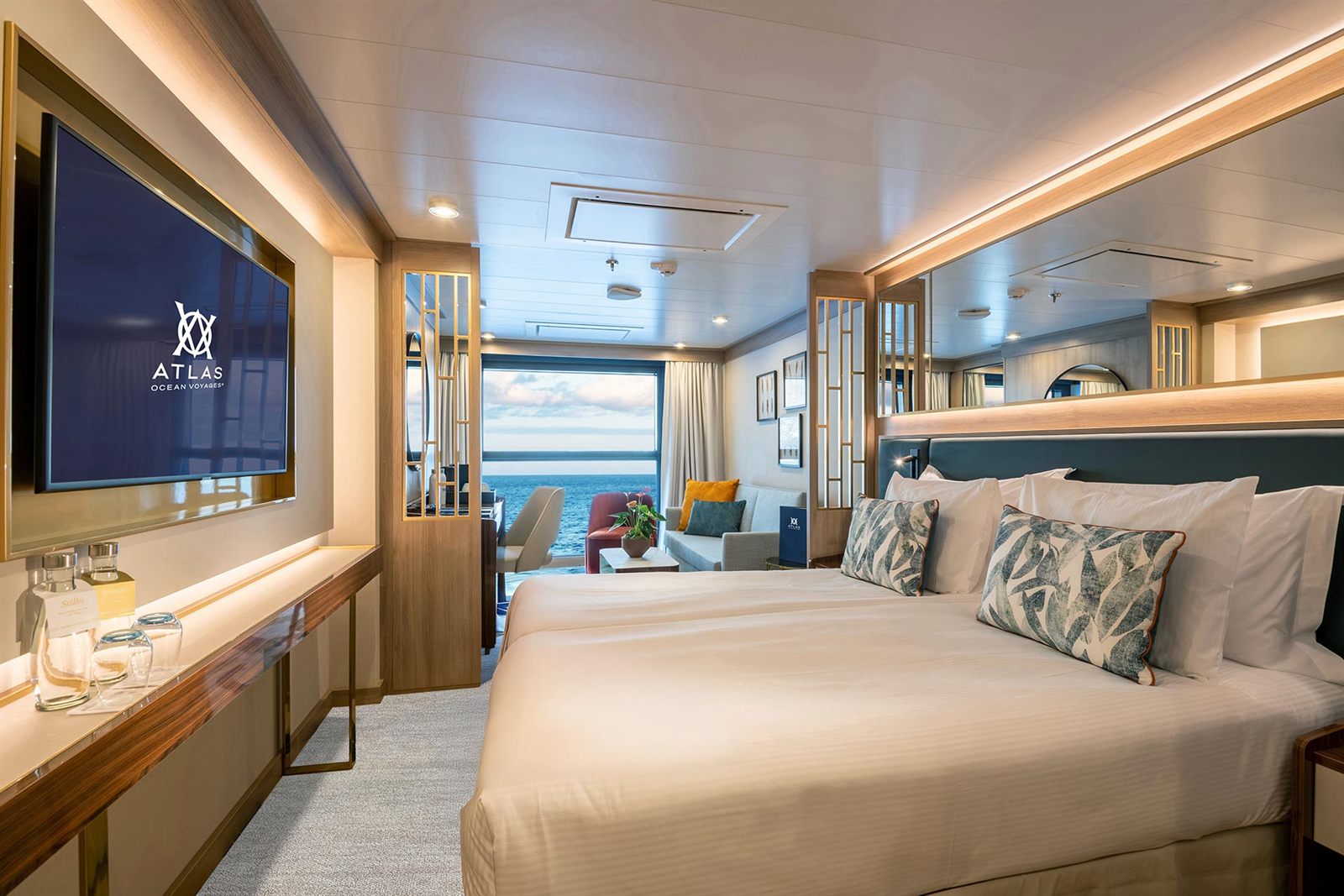
The right cabin, booked early
Accessible cabins are a small share of the total and they go first. Ask for the exact cabin number and its measurements, not just a category.
Cabin checklist →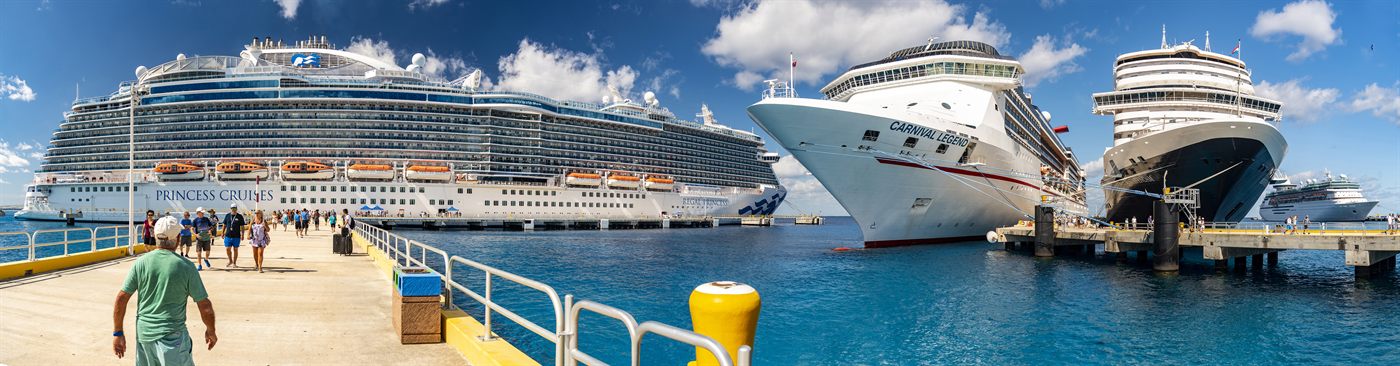
Itineraries that dock
Where the ship ties up at a pier, you can usually roll off along a gangway. Where it anchors, getting ashore depends on the tender and the sea.
Ports and tenders →
Telling the line in advance
The cruise line can only help with what it knows about. Complete its special-needs form as soon as you book and keep a copy.
Planning tips →Your Rights, In Brief
Cruise lines that sail from U.S. ports generally treat accessibility as part of their legal obligations and their customer service. In 2005 the U.S. Supreme Court held, in Spector v. Norwegian Cruise Line, that Title III of the Americans with Disabilities Act applies to foreign-flagged cruise ships in U.S. waters, while leaving open how far structural changes can be required on such ships. In practice, that means you can expect reasonable modifications to policies and services, but the physical features of a particular ship still vary. For general information about the ADA, see ADA.gov.
Your strongest tools are clear information and early requests: tell the line exactly what you need, in writing, and ask it to confirm in writing.
Thinking About a River Cruise Instead?
River cruises have their own charm, but the ships are smaller, and riverbank docking can mean steps, steep gangways or walking through another ship moored alongside. If a river trip is on your list, our companion site Accessible River Cruises explains what to look for on the rivers of Europe and the United States. For many travelers with significant mobility needs, starting with an ocean cruise is the easier first step.
Personal Help From People Who Know Ships
Every traveler’s needs are different, and the details that matter — the measurement of a bathroom door, the slope of a gangway at low tide, whether a particular excursion has a lift-equipped vehicle — are rarely on a brochure. Our cruise advisors at Mister Cruise will ask the right questions, contact the cruise line’s accessibility team on your behalf and get the answers in writing.
Accessible Ocean Cruises is part of the Smart Traveler network, led by Mister Cruise. He has sold travel since 1972 and worked full-time in the industry since 1977. He has sold or originated more than $500 million in cruises and has trained more than 500 travel agents.
When you ask for a quote, our cruise advisors at Mister Cruise handle it personally — including the accessibility questions — and book everything for you. Meet Mister Cruise →
Quick Answers
Can I take an ocean cruise if I use a wheelchair?
Yes. Many wheelchair users cruise regularly. Modern ocean ships have accessible cabins, elevators, ramps and accessible public restrooms. The key is booking the right cabin early and choosing itineraries where the ship docks rather than tenders.
Do cruise lines have an accessibility department?
The major ocean lines each have a team that handles accessibility and special-needs requests. You reach them through your booking: the line sends a form or asks for details of your needs, equipment and any medical arrangements.
Is an ocean cruise or a river cruise better for limited mobility?
For most people with significant mobility needs, a large ocean ship is easier: more accessible cabins, more elevators and wider spaces. River ships are smaller and often lack elevators to every deck, and docking can involve stairs or crossing other ships.
Plan an Accessible Cruise
Tell us about your mobility, hearing or vision needs and where you would like to go. Our cruise advisors at Mister Cruise will find suitable cabins and itineraries and send free quotes.
Get Free Cruise Quotes